
Makita LS1019L Sliding Miter Saw Dust Port Size and Vacuum Adapter Guide
Dust port
We fit it Round port, friction
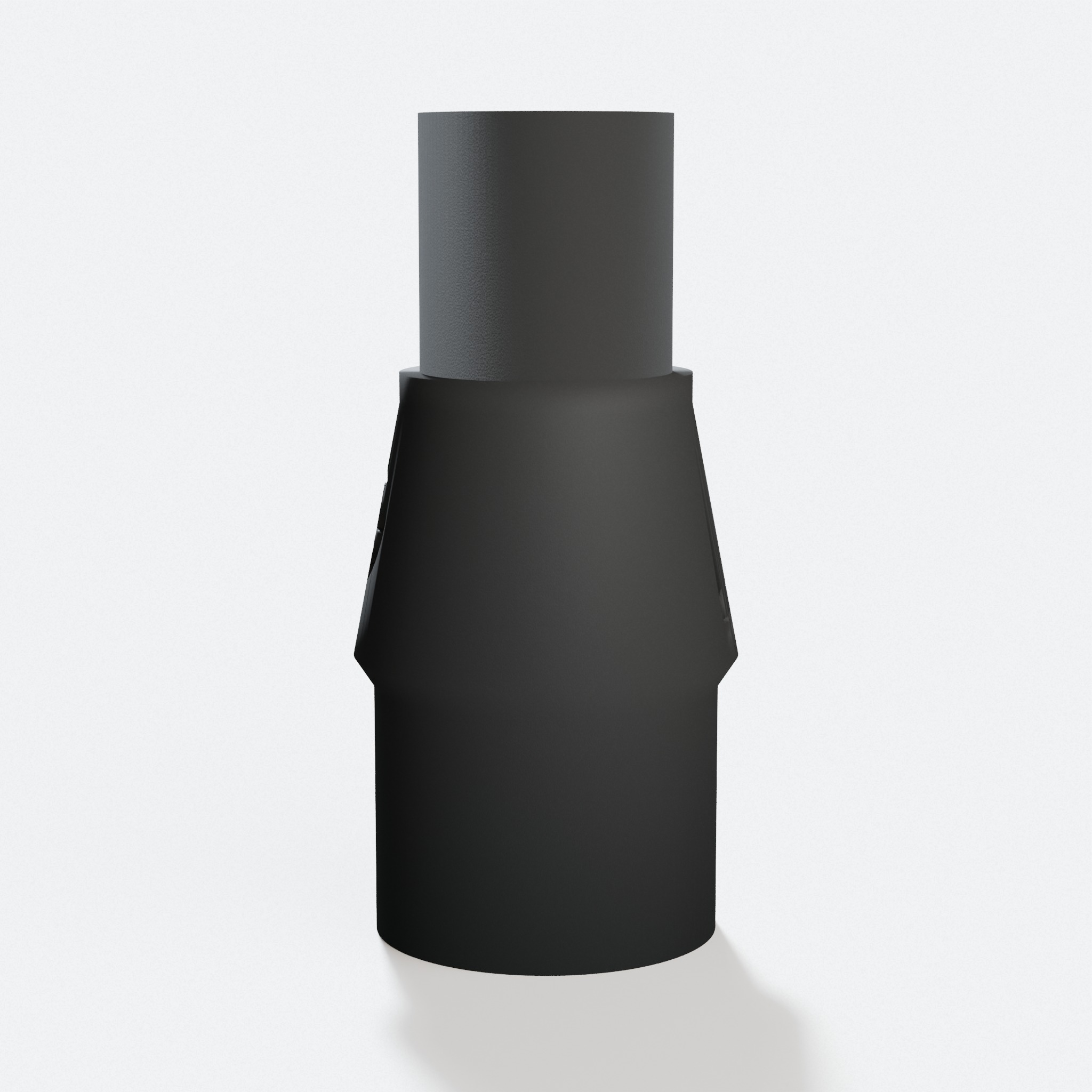
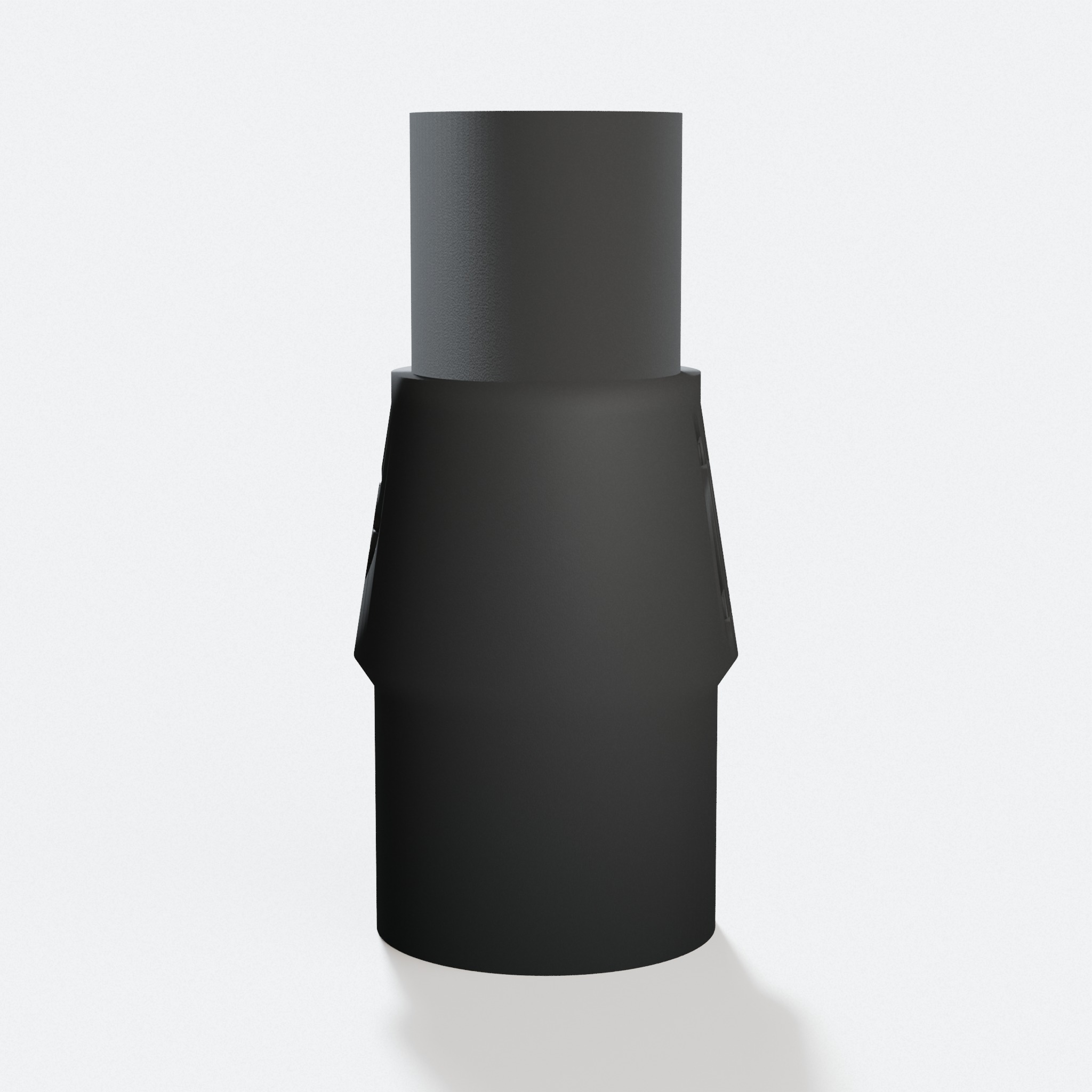
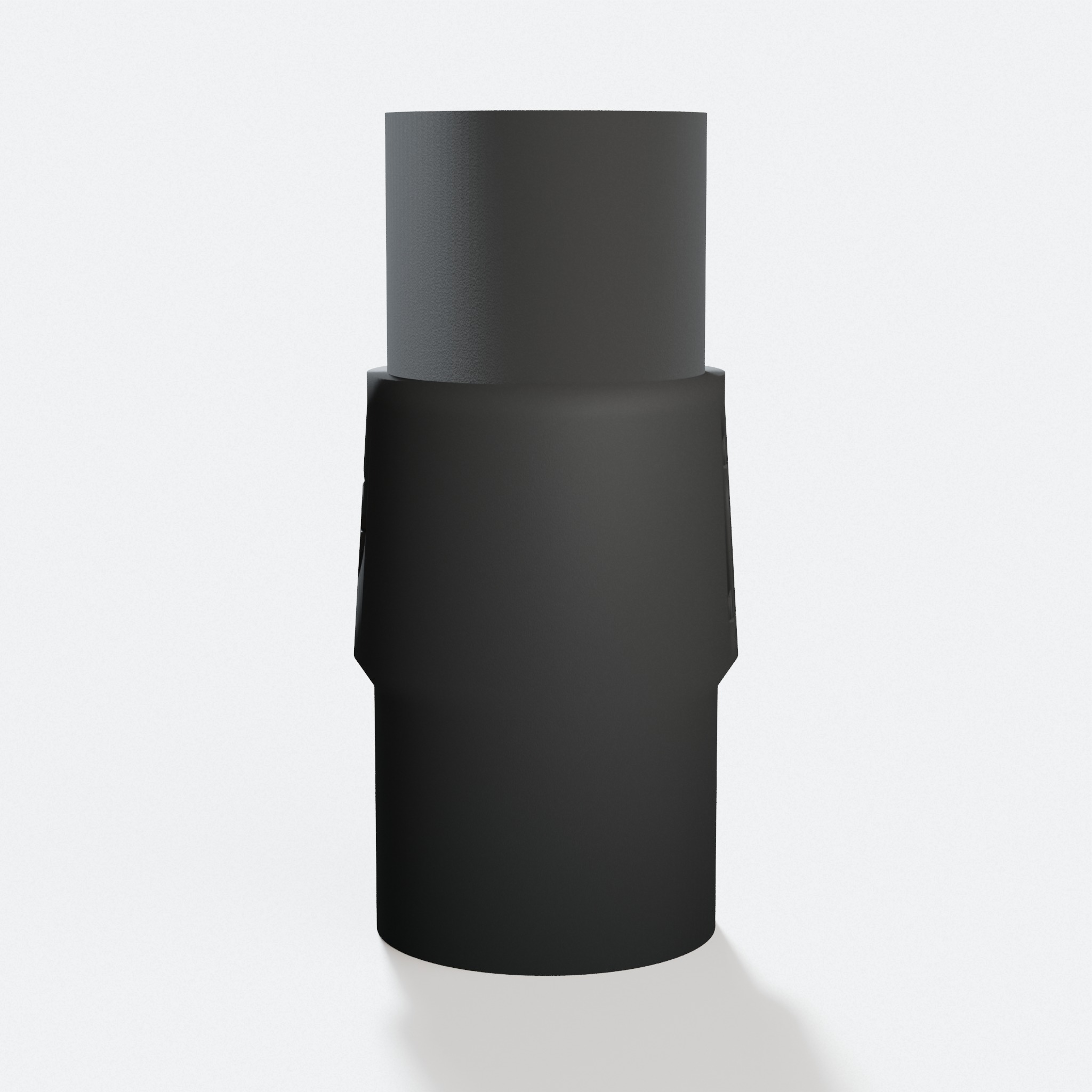
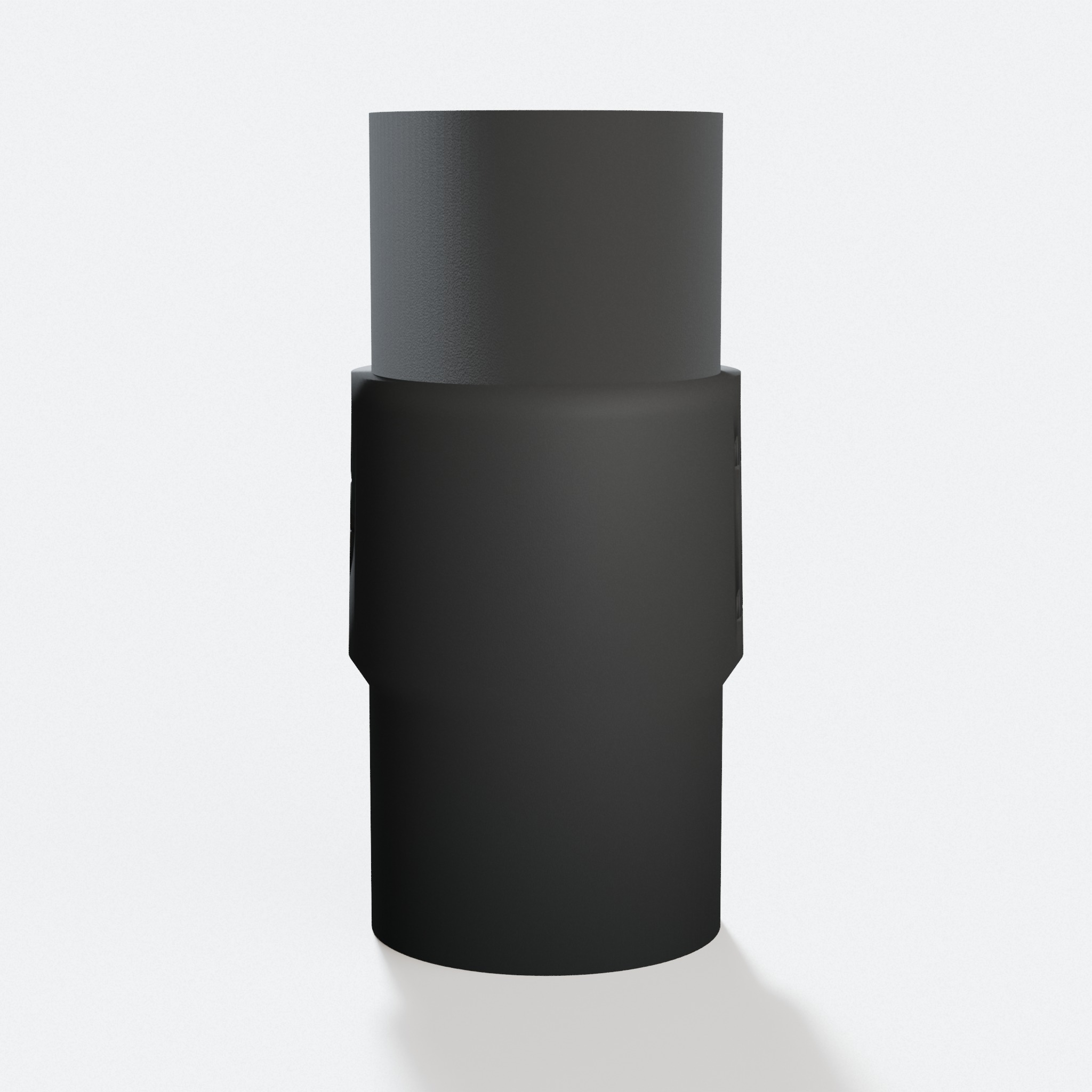
Our adapter is made for the Makita LS1019L port. It presses on by hand and holds, so there is nothing to clamp or tape.
Get the adapter for this tool. Printed and shipped from $12.99.
- Made in the USAPrinted to order
- PETGTougher than PLA
- Push onNo clamps, no tape
- Print defectWe reprint it
Makita 10 in. Dual-Bevel Sliding Miter Saw
Specifications
Connect your Makita LS1019L to your shop vac
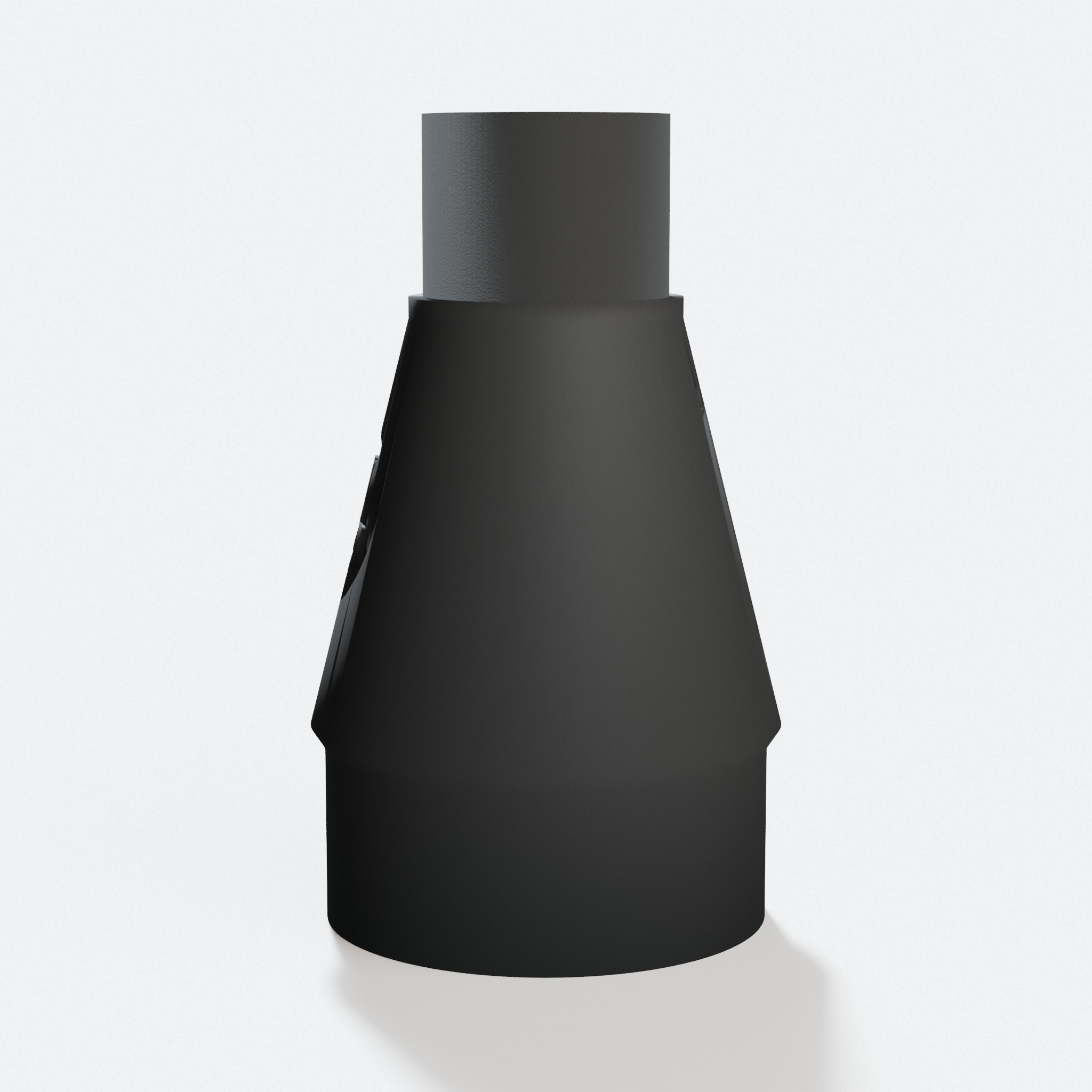
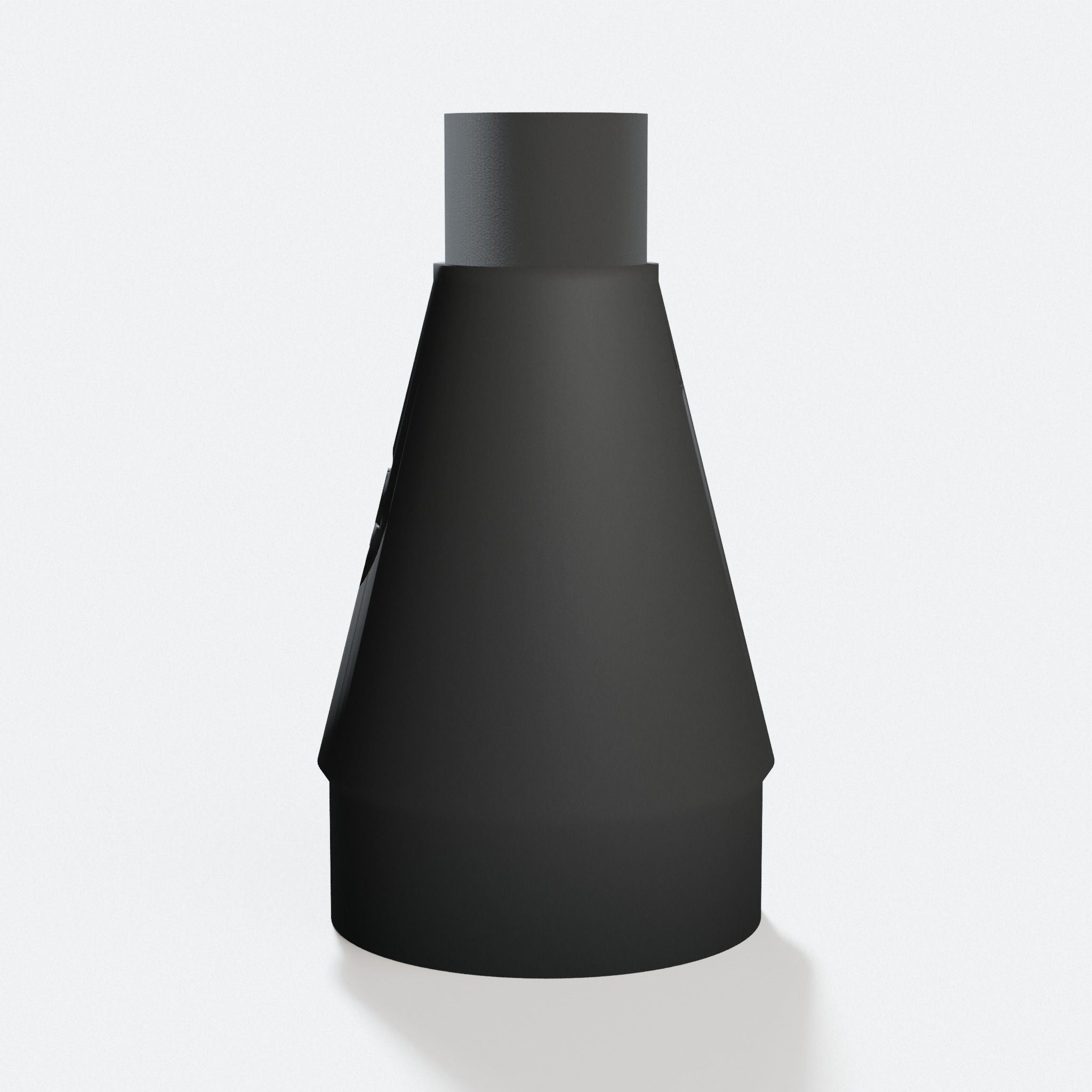
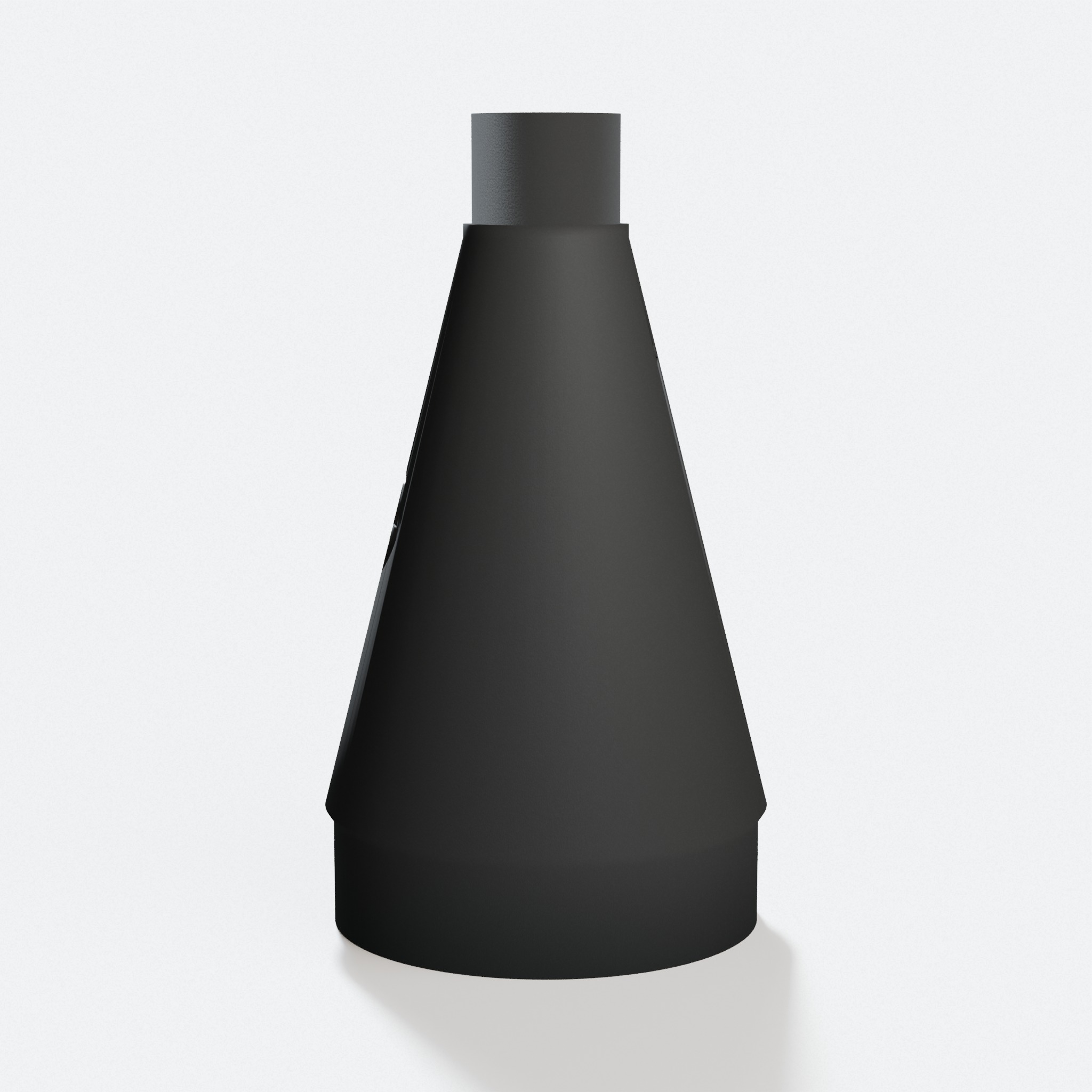
Pick what you are connecting to. Each one is a finished PETG adapter, sized for both ends, printed to order and made in the USA.
Standard hose & duct sizes
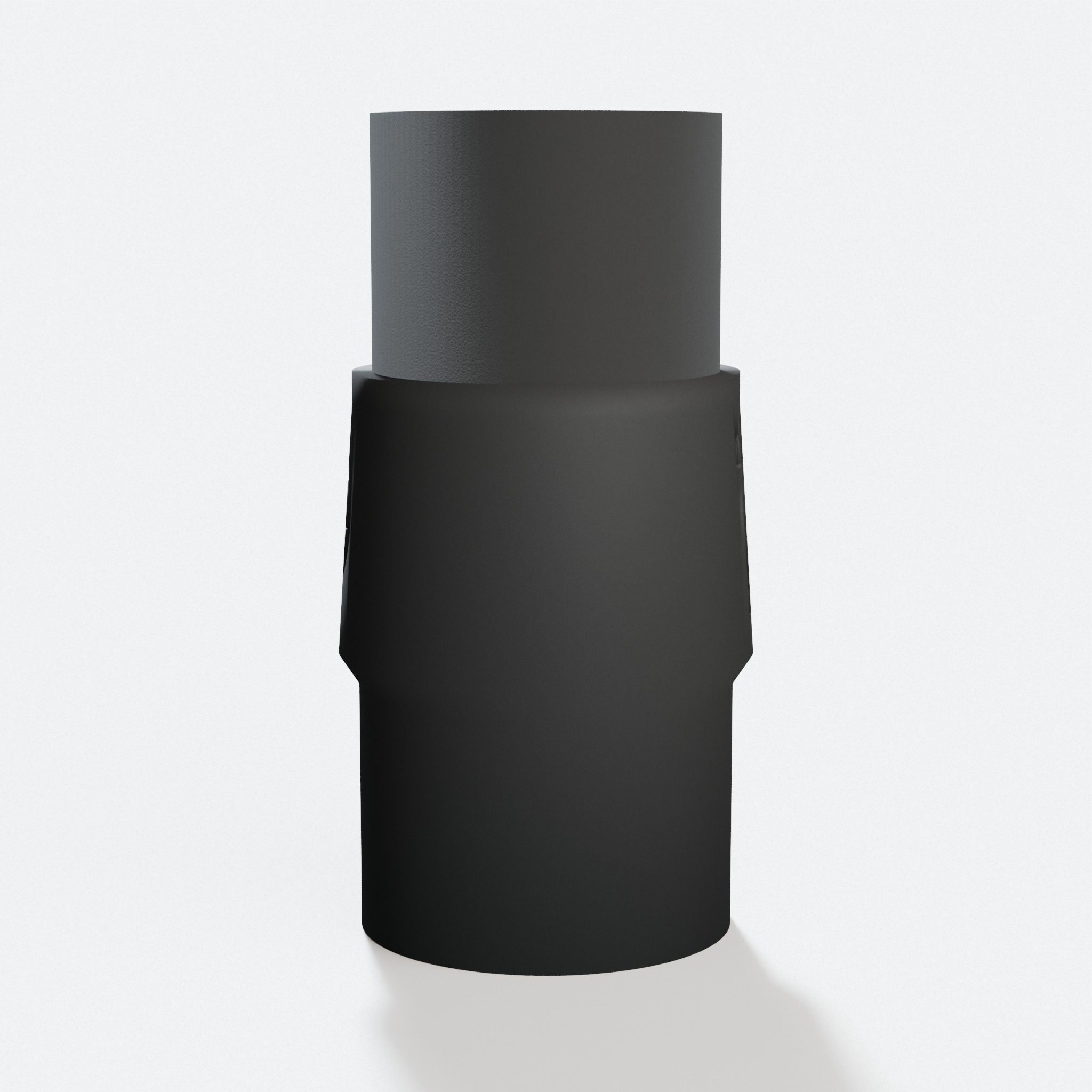
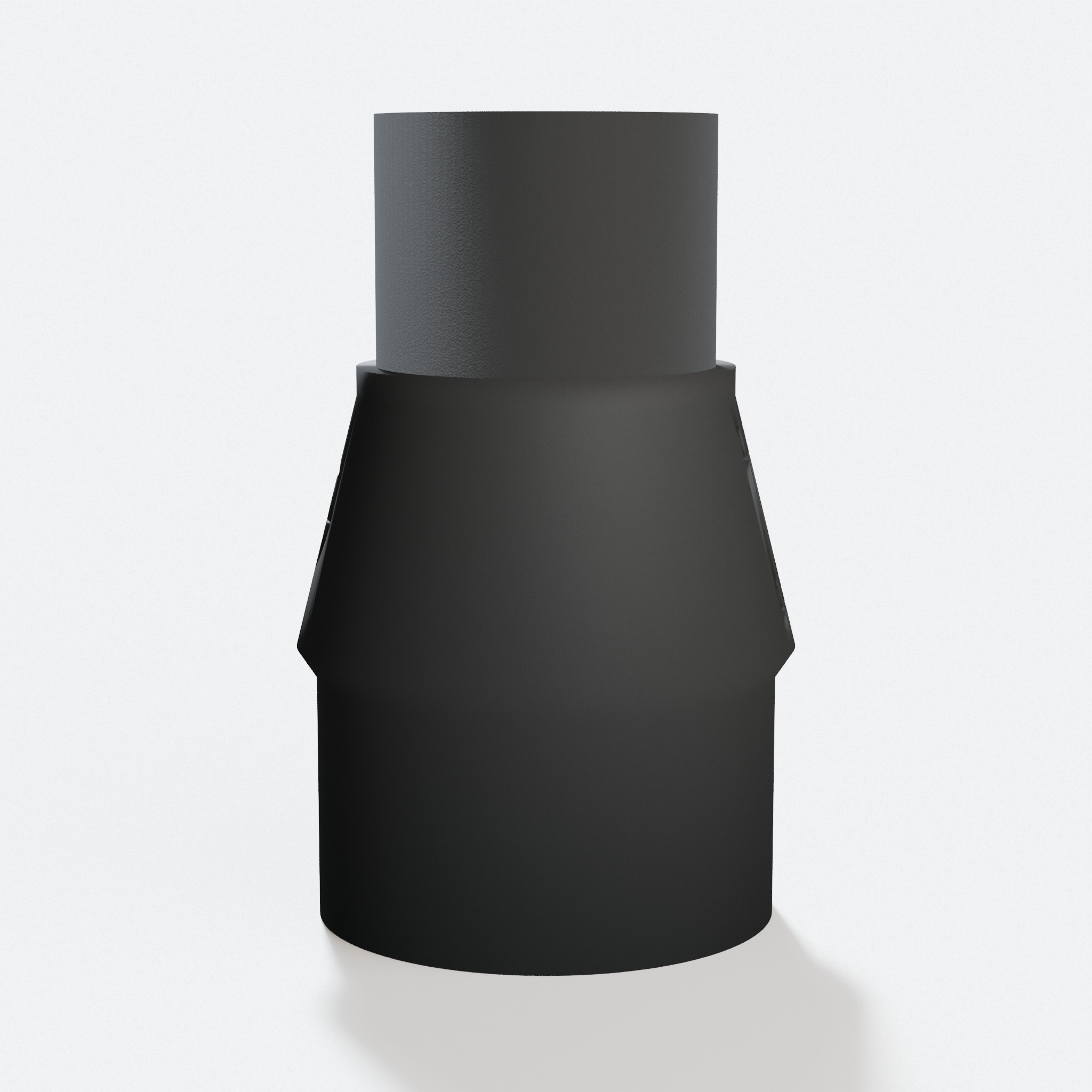
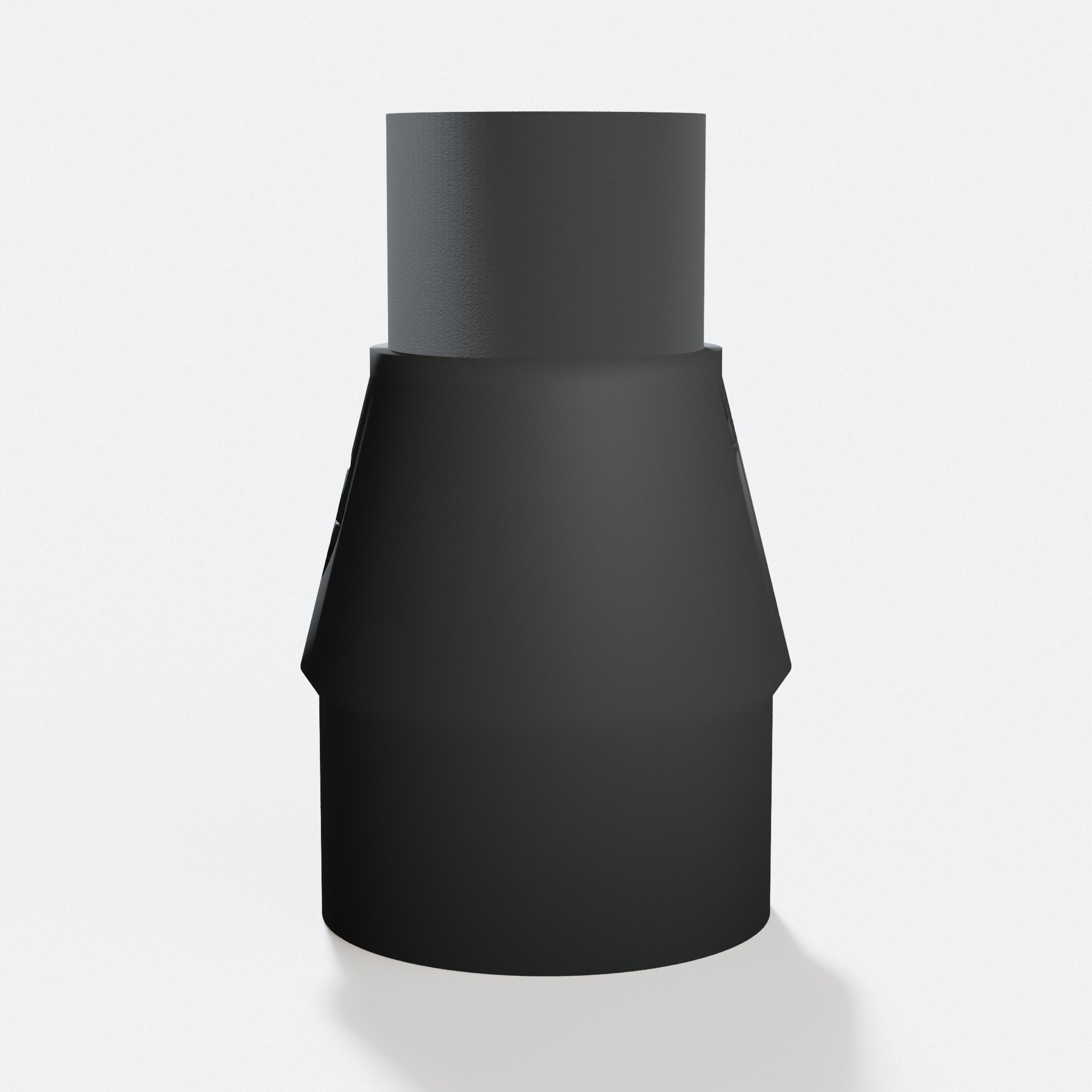
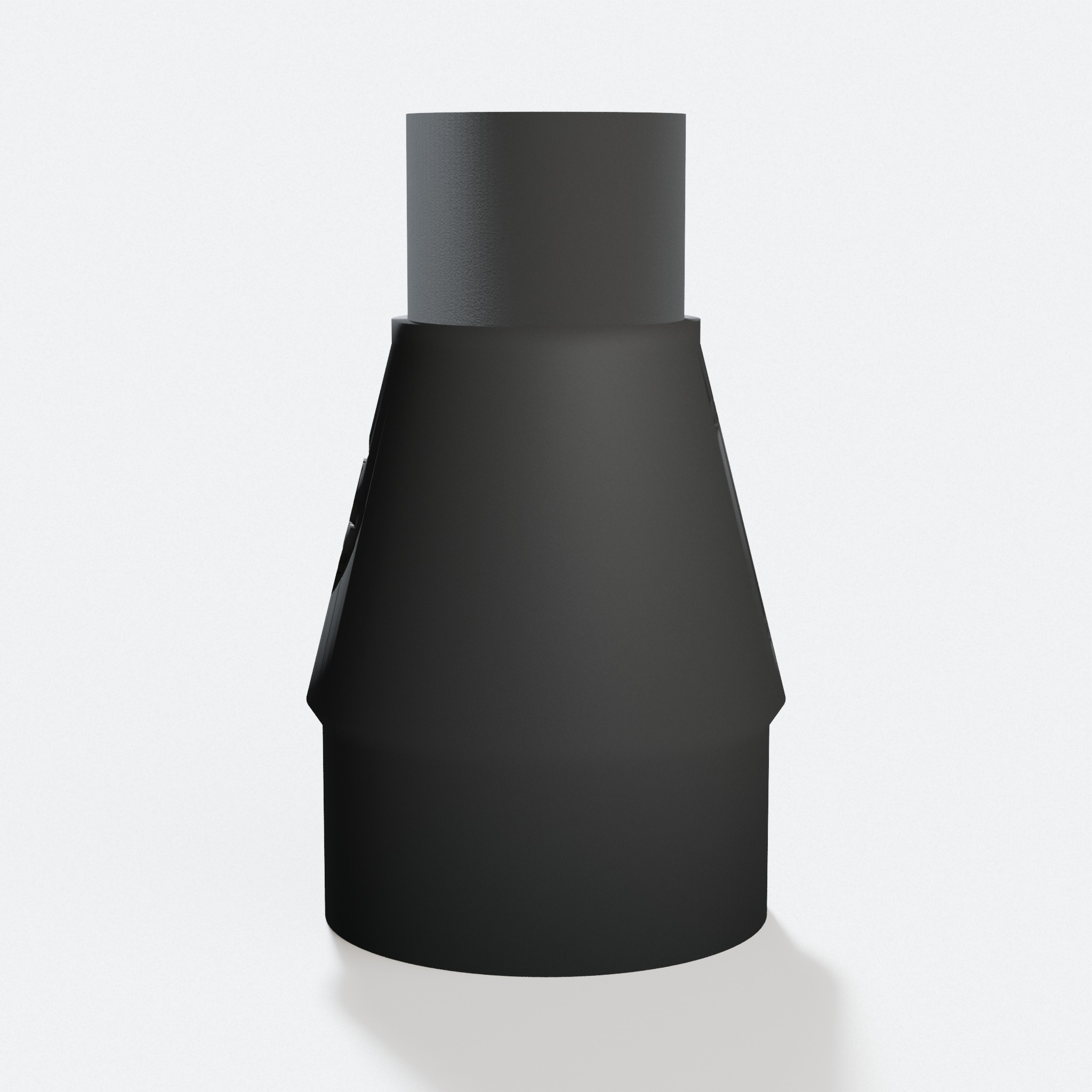
Popular vacuums & extractors
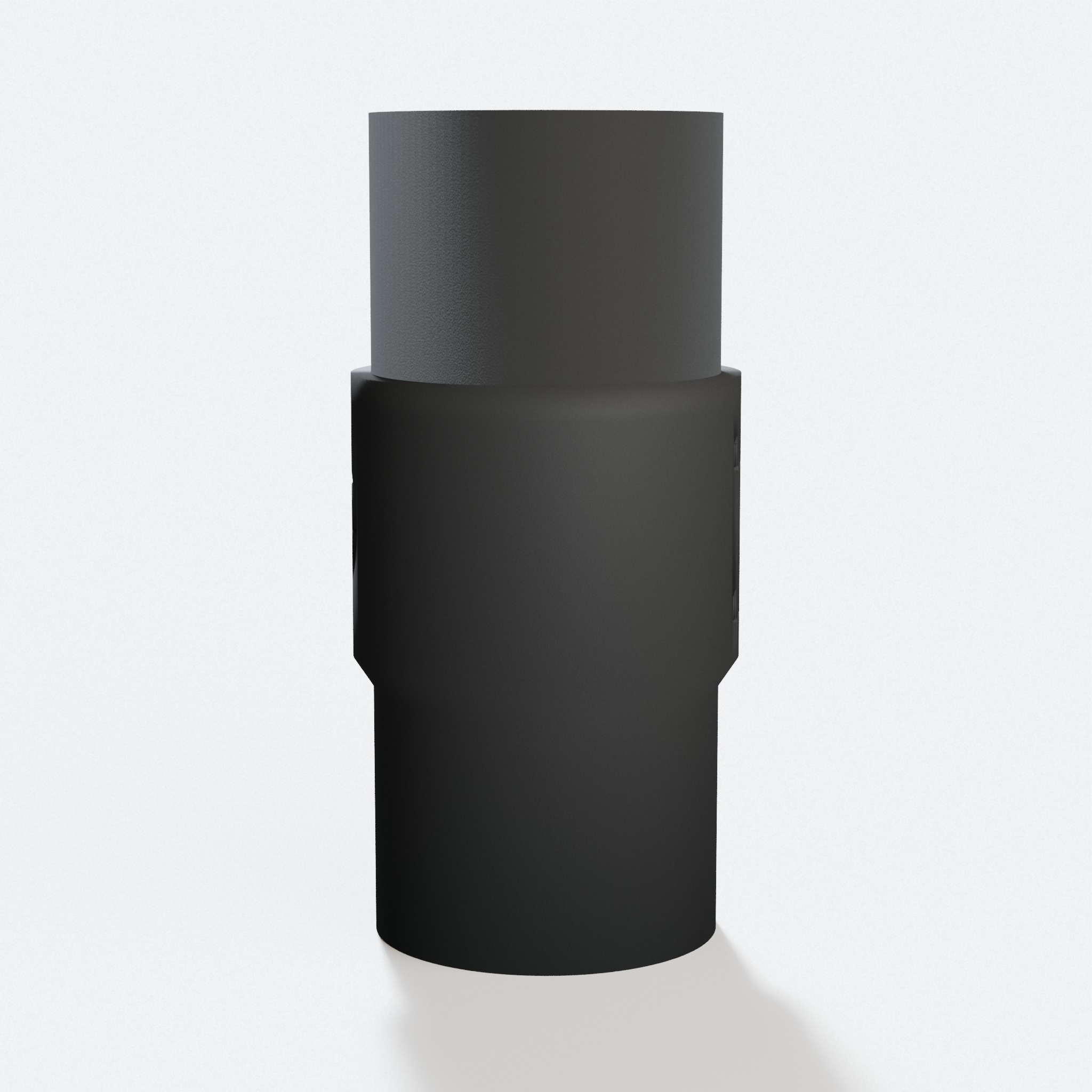
Not sure which size?
Full port and fit detail for this tool
The Makita LS1019L is the Makita 10 in. Dual-Bevel Sliding Miter Saw. A miter saw throws a lot of chips on every cut. A vac at the port catches most of them before they pile up on your work.
The saw has a round dust port. Our adapter fits it. A GulpDust PETG adapter is sized to the port on one end and your shop vac hose on the other end. No tape. No clamps.
Makita LS1019L Specs
| Port shape | Round |
|---|---|
| Port location | Side |
| Connection type | Friction fit |
Makita LS1019L Dust Port: What Fits It
The dust port on the LS1019L is round. Our adapter is printed to fit it.
A miter saw makes a big pile of chips fast. Those chips spray back and pile up behind the fence. Pulling them at the port keeps your bench clear and keeps more of the fine dust out of the air you breathe.
Most shop vac hoses are 1-7/8 inch or 2-1/2 inch. They do not seal on this port on their own. A GulpDust adapter is printed to match the saw port on one end and your vac hose on the other end.
How to Connect a Shop Vac to the Makita LS1019L
First, clear any dust out of the port. A clean port gives the best fit.
Press the tool end of the PETG adapter into the port. It is a friction fit, so it holds with a firm push. Then press your shop vac hose onto the other end of the adapter.
Turn the vac on before you start the cut. A miter saw throws its chips in the first second of the cut.
Why a Sliding Miter Saw Needs a Vac
The slide action carries the blade across the whole board, so the chip spray covers a wide arc behind the saw.
A stock dust bag catches a small share of that. A vac at the port catches far more, and it keeps the fine dust down too.
Any shop vac with the right adapter does the main job. The fit at the port is what matters most.
Makita LS1019L Dust Collection FAQ
What size is the dust port on the Makita LS1019L?+
It is a round port on the saw. Our adapter is built to fit it. You pick the hose end you need.
Does the Makita LS1019L work with a regular shop vac?+
Yes, with the right adapter. A standard shop vac hose is wider than the Makita dust port. The GulpDust PETG adapter is sized to the tool port on one end and to your vac hose on the other.
Do I need clamps or tape to attach the adapter?+
No. The adapter is a friction fit. You push it onto the port and it holds. The same goes for the vac hose end.
Do you sell the design file?+
No. We sell the finished part. Each one is printed to order in PETG and ships from the US.
Related Guides
Makita XGT 40V Dust Collection: Port Sizes and Best Setup
Makita XGT 40V hand tools use the same dust port as LXT 18V. Here is the complete guide for connecting them to shop vacs and dust extractors.
4 min read
Track Saw Dust Collection: DeWalt, Makita, and Festool Guide
Track saws collect dust better than any other circular saw. But the port size and adapter you need depends on the brand. Here is the complete guide.
5 min read
Milwaukee vs DeWalt vs Makita: Which Brand Has Better Dust Collection?
Port size is the main factor when comparing brands for dust collection. Here is how Milwaukee, DeWalt, and Makita stack up.
5 min read
Cordless Dust Collection: Milwaukee vs DeWalt vs Makita Vacs
All three brands make a cordless shop vac that pairs with their tool system. Here is what each one does well, and when to go cordless vs corded.
6 min read